NotesFirmware
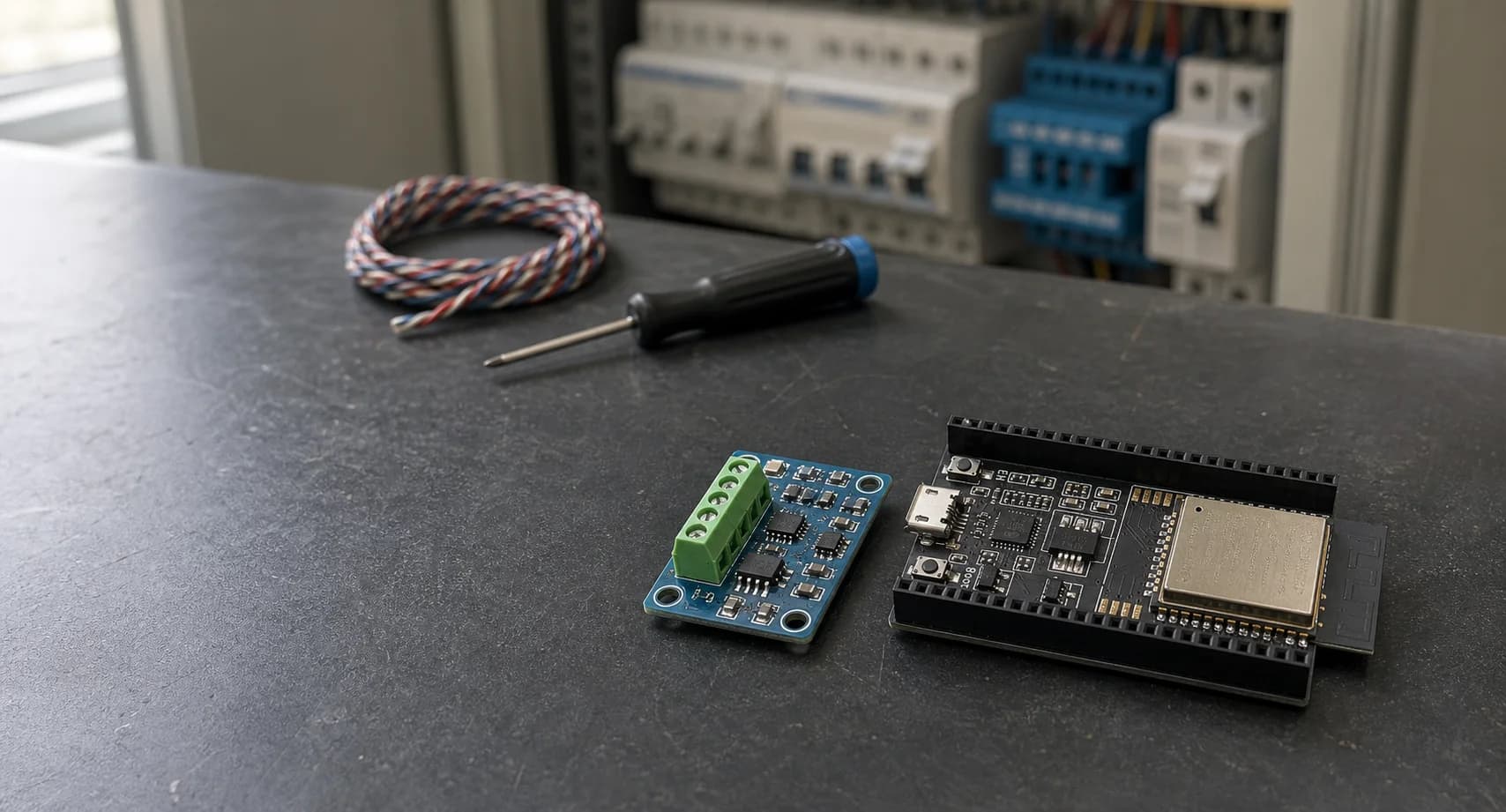
Industrial IoT with ESP32: Modbus and Real-Time Control
A practical guide to Modbus TCP, Modbus RTU over RS-485, and PLC communication with ESP32 for reliable industrial IoT prototypes.
Read more
Tags
Everything tagged “Hardware” across notes, resources, and Mochi logs.
A practical guide to Modbus TCP, Modbus RTU over RS-485, and PLC communication with ESP32 for reliable industrial IoT prototypes.
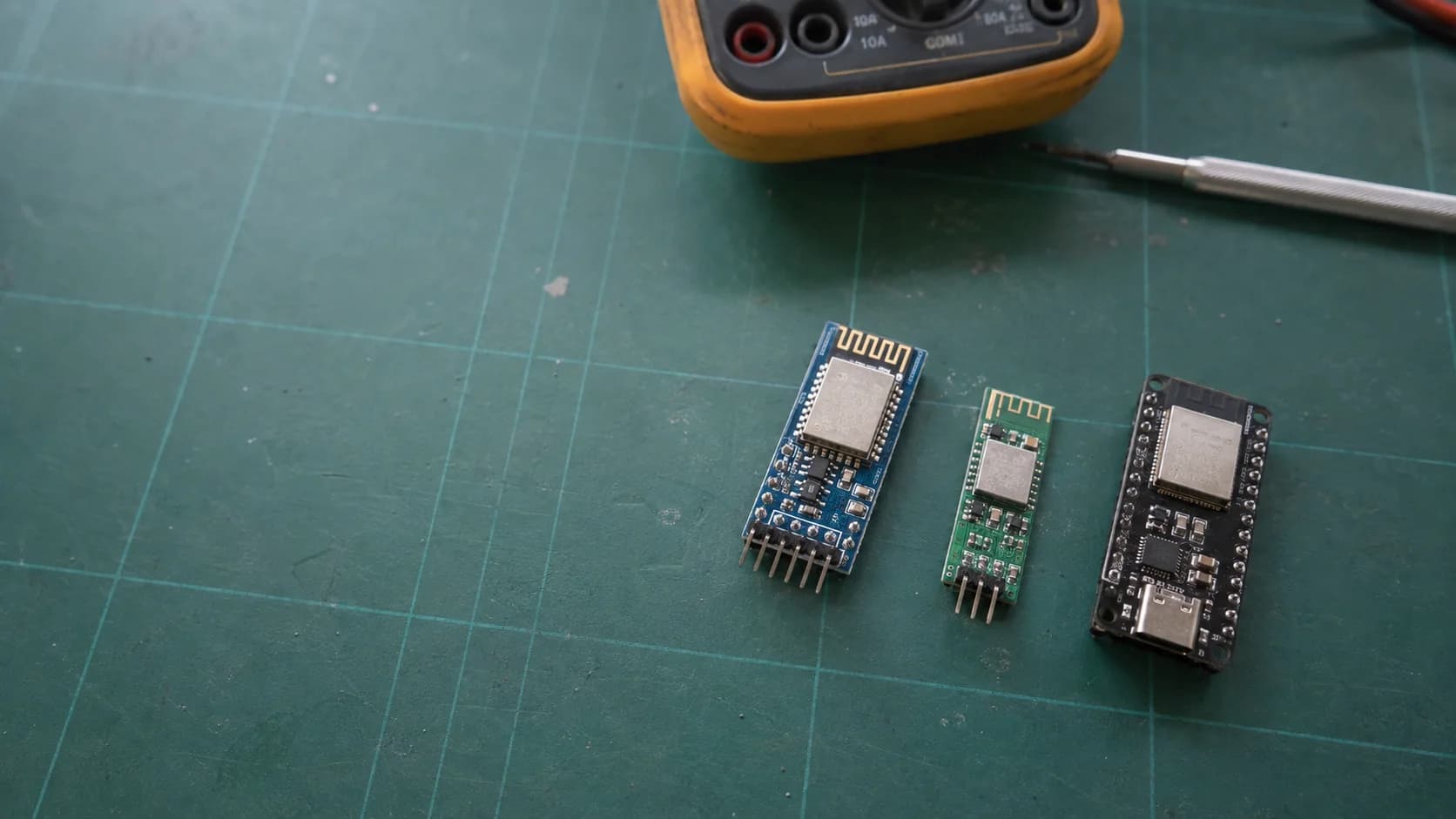
Compare HC-05, HM-10, and BLE 5.0 modules by Bluetooth Classic, BLE GATT, UART, phone support, range, power, and integration for Arduino, ESP32, and IoT projects.
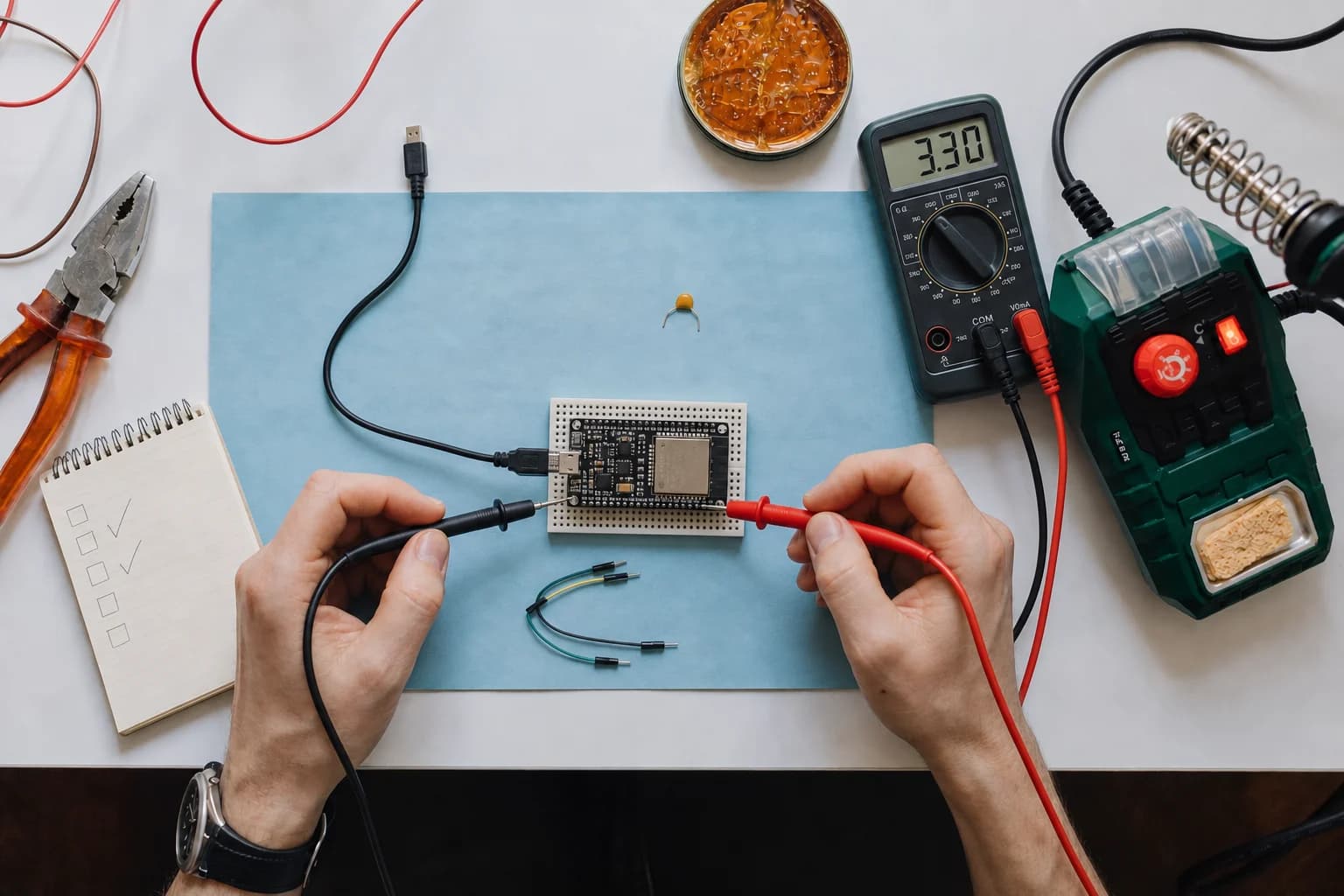
How I troubleshoot eight common ESP32 problems: flashing, boot mode, brownouts, serial, GPIO, I2C, SPI, and custom PCB bring-up.
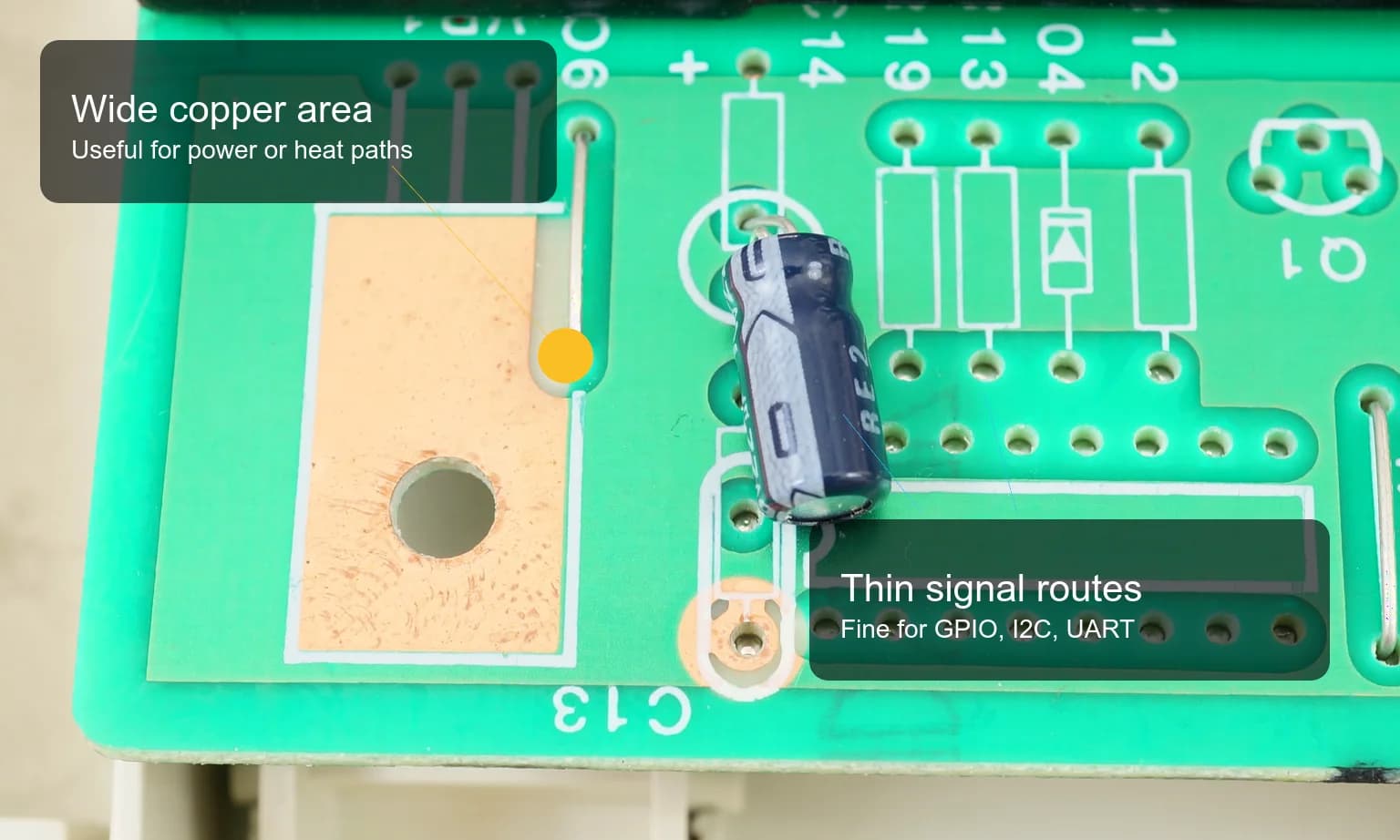
A practical guide to PCB net classes and trace width for small boards: signal traces, 3V3, 5V, battery paths, ground, power vias, and a pre-Gerber checklist.
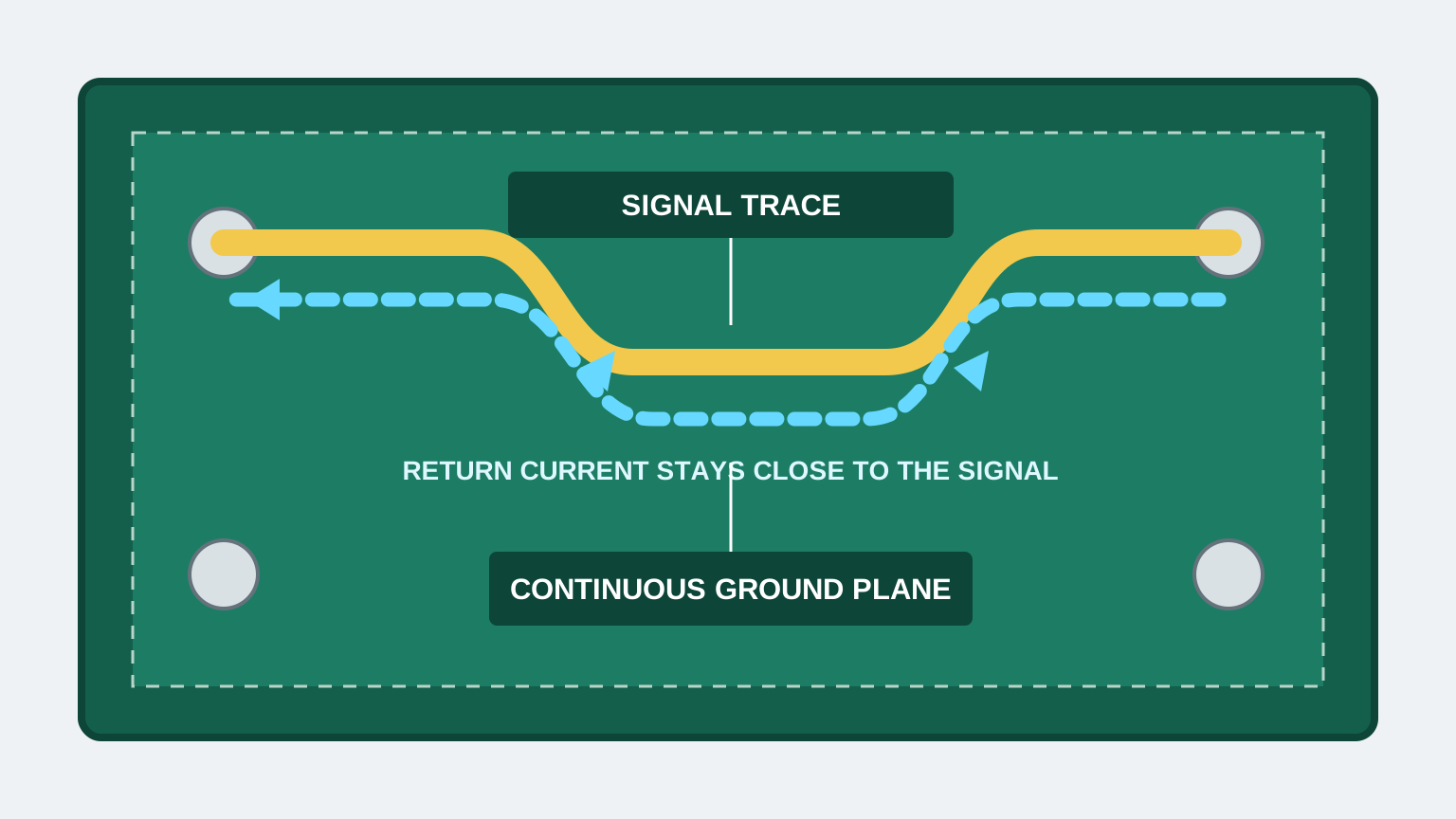
A practical guide to PCB ground planes, return current, GND layout mistakes, stitching vias, decoupling paths, and copper pour checks.
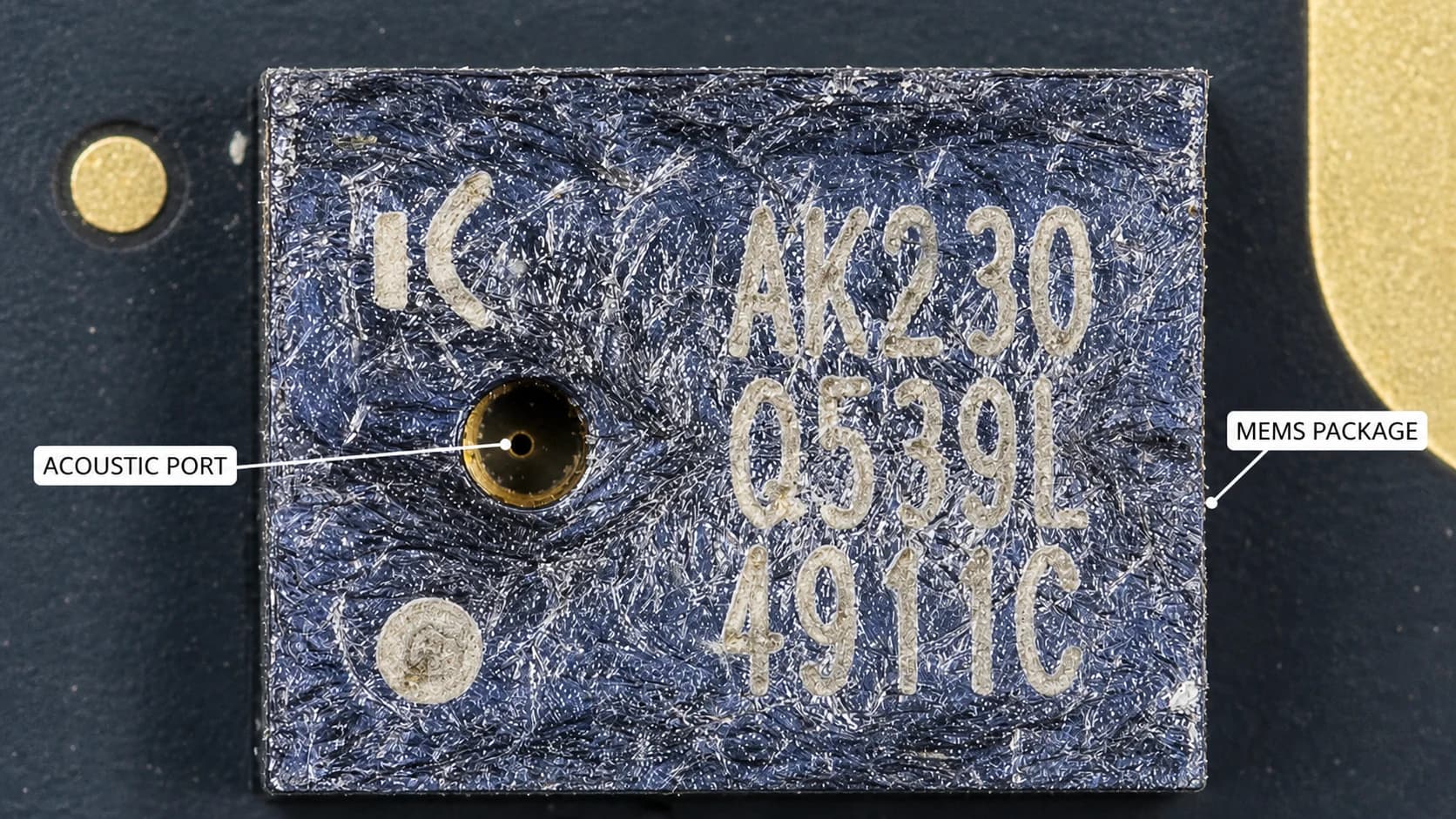
Learn how MEMS microphones work, how analog, PDM, and I2S outputs differ, and how to avoid PCB, power, and acoustic-port mistakes.
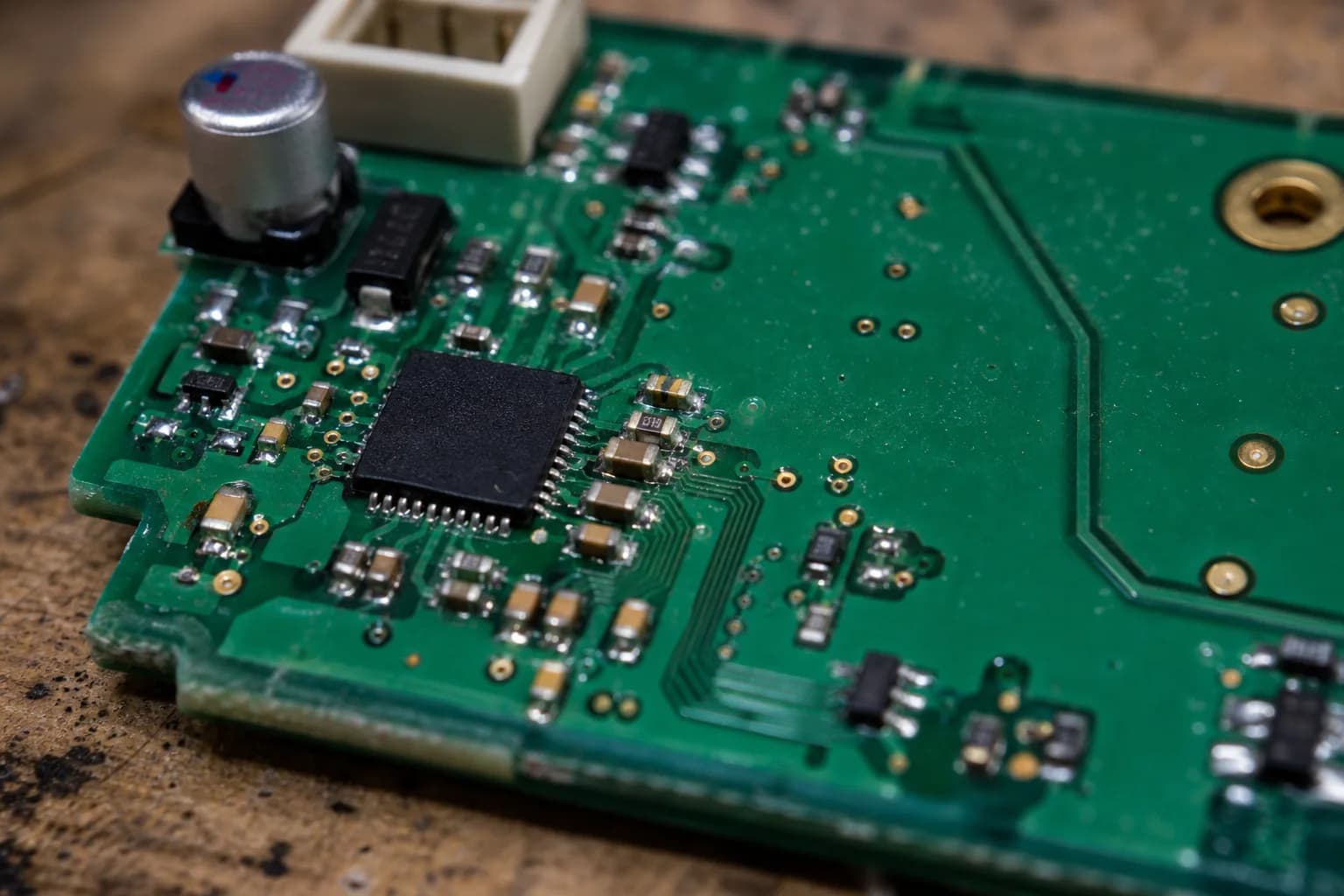
A beginner guide to choosing capacitors for circuits: capacitance, voltage rating, decoupling, ceramic types, DC bias, and ESP32 values.
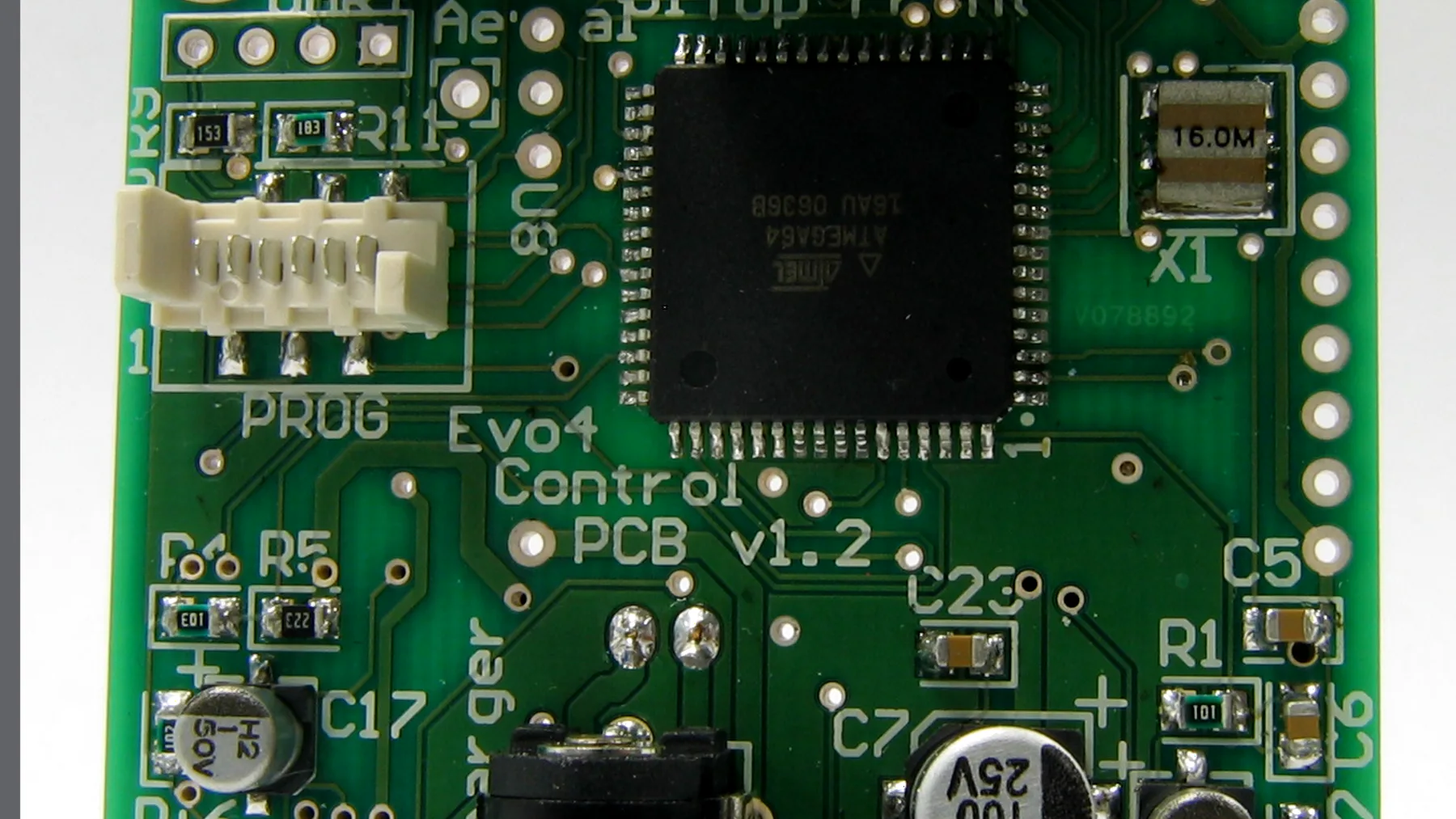
A beginner-friendly SMD soldering guide covering tools, easy parts, resistors, capacitors, multi-pin ICs, flux, hot air, and PCB inspection.
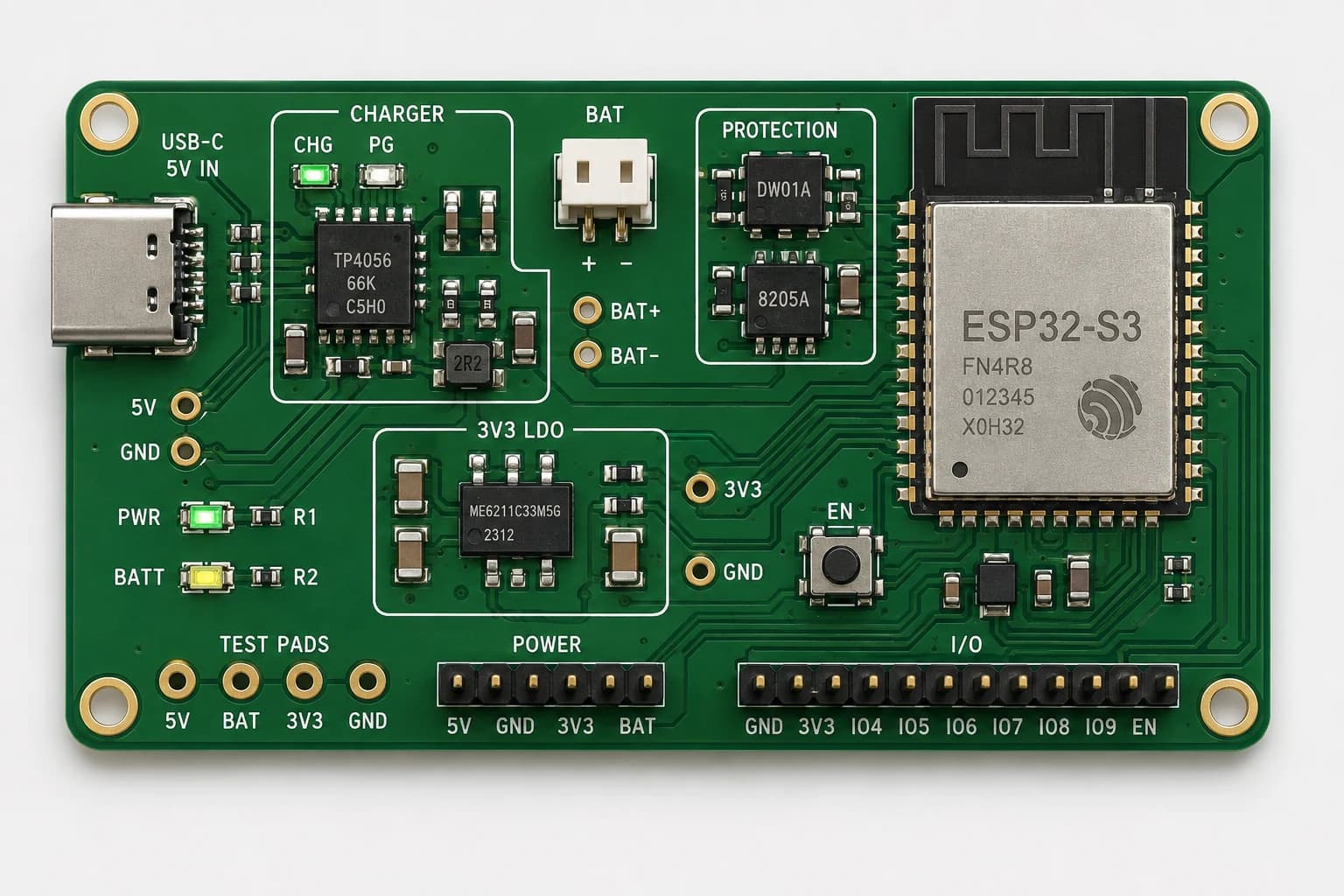
Review an ESP32-S3 battery power path from USB-C and TP4056 charging to protection, load sharing, 3.3V regulation, and load budget.
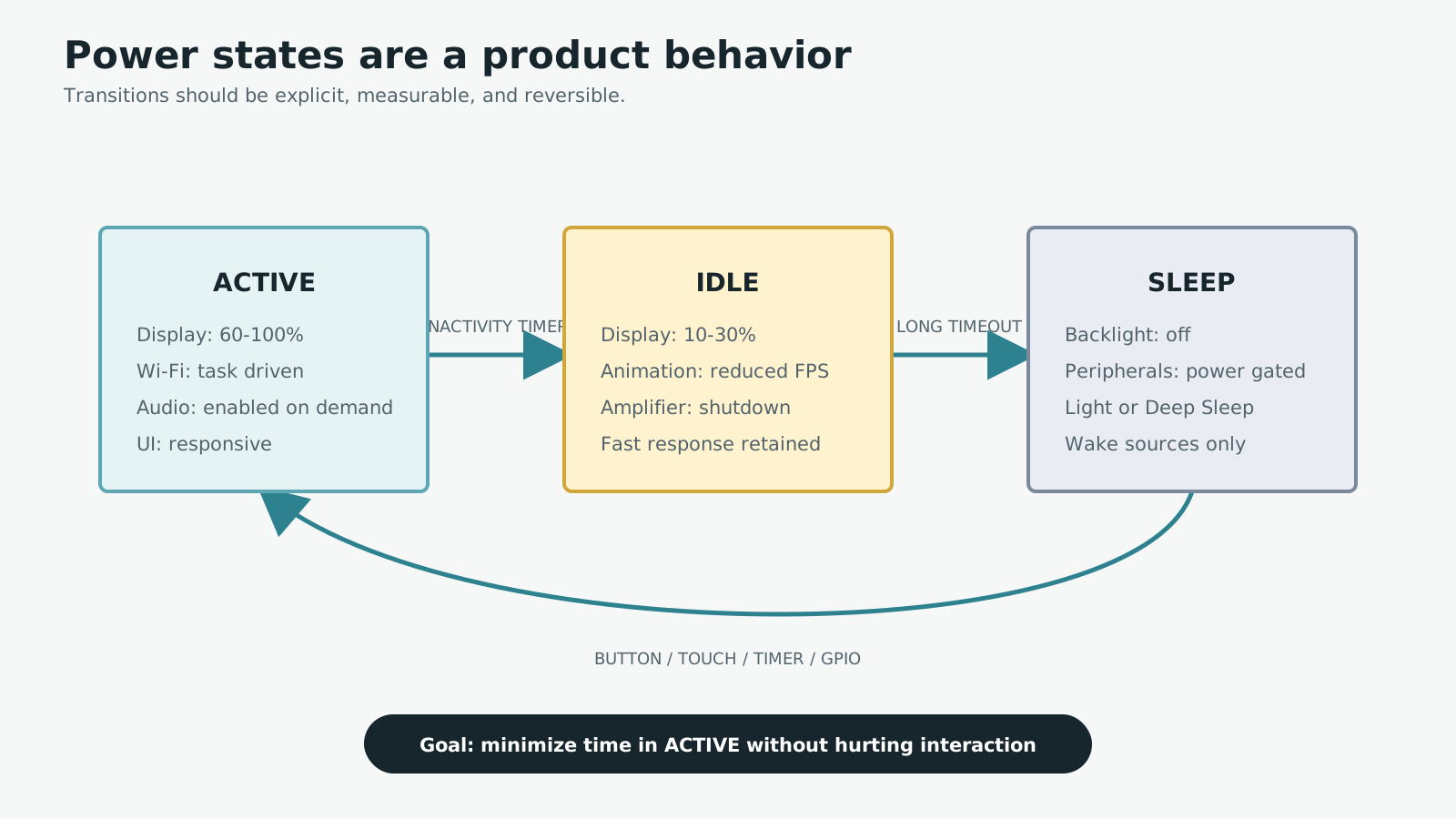
Analyze battery life for an ESP32 robot with a display: backlight, Wi-Fi, audio, peripherals, sleep modes, wake sources, and runtime.
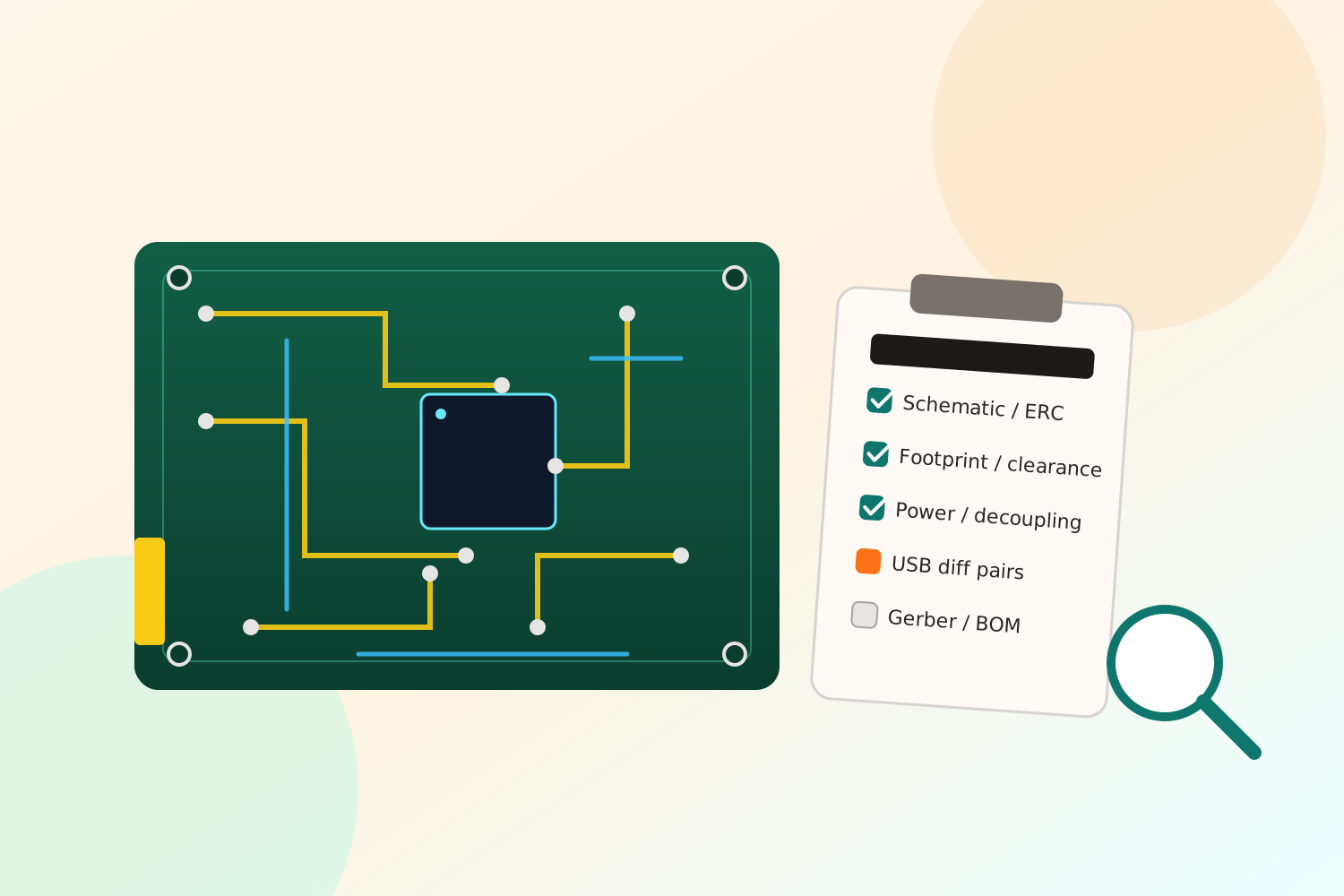
A practical PCB review checklist before fabrication: schematic, ERC, footprints, clearance, power, antenna, USB pairs, silkscreen, Gerbers, and BOM.
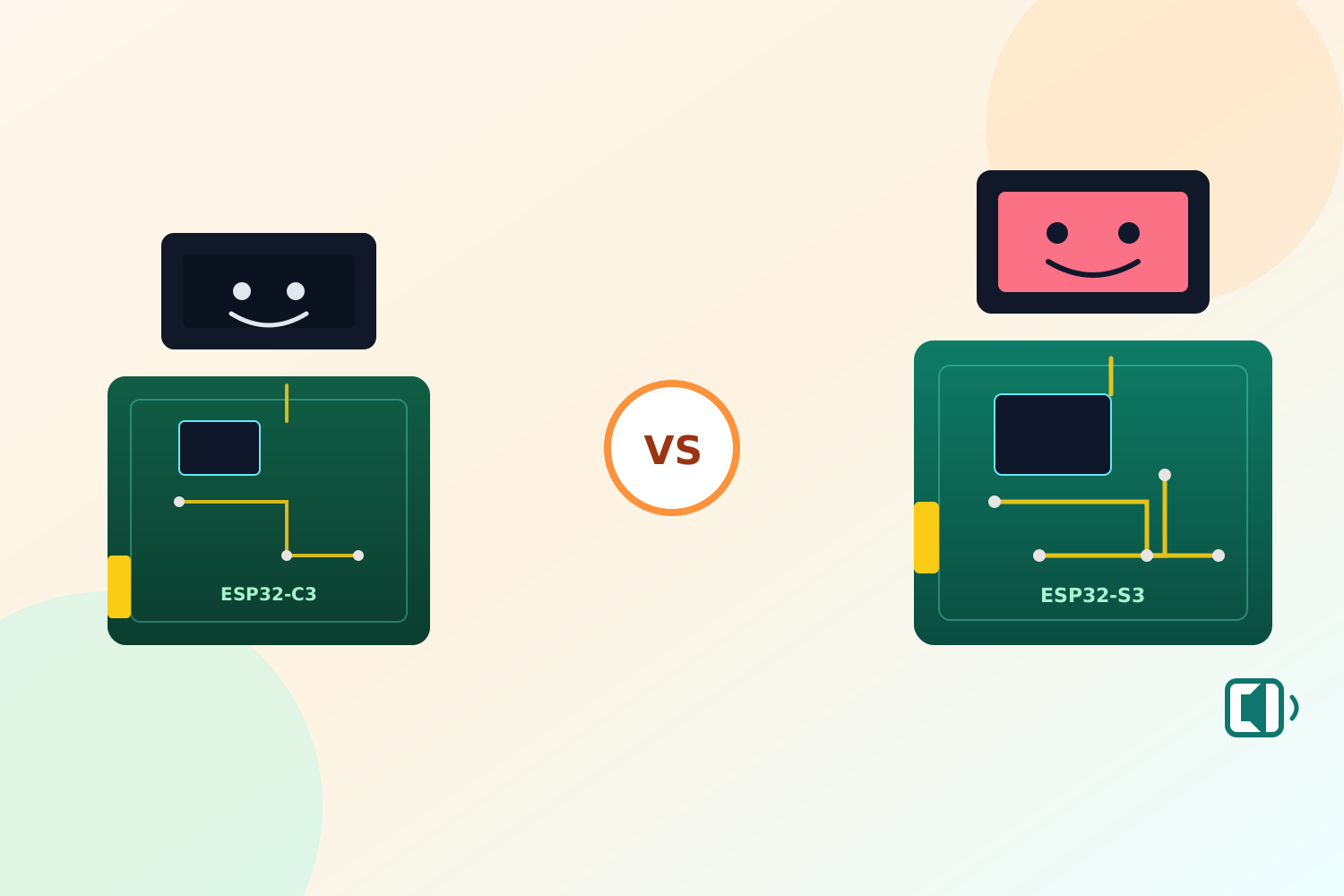
Comparing ESP32-C3 and ESP32-S3 on GPIO, RAM, PSRAM, USB, I2S, and LVGL headroom, with a concrete recommendation for a basic Mochi build and a Mochi AI build.
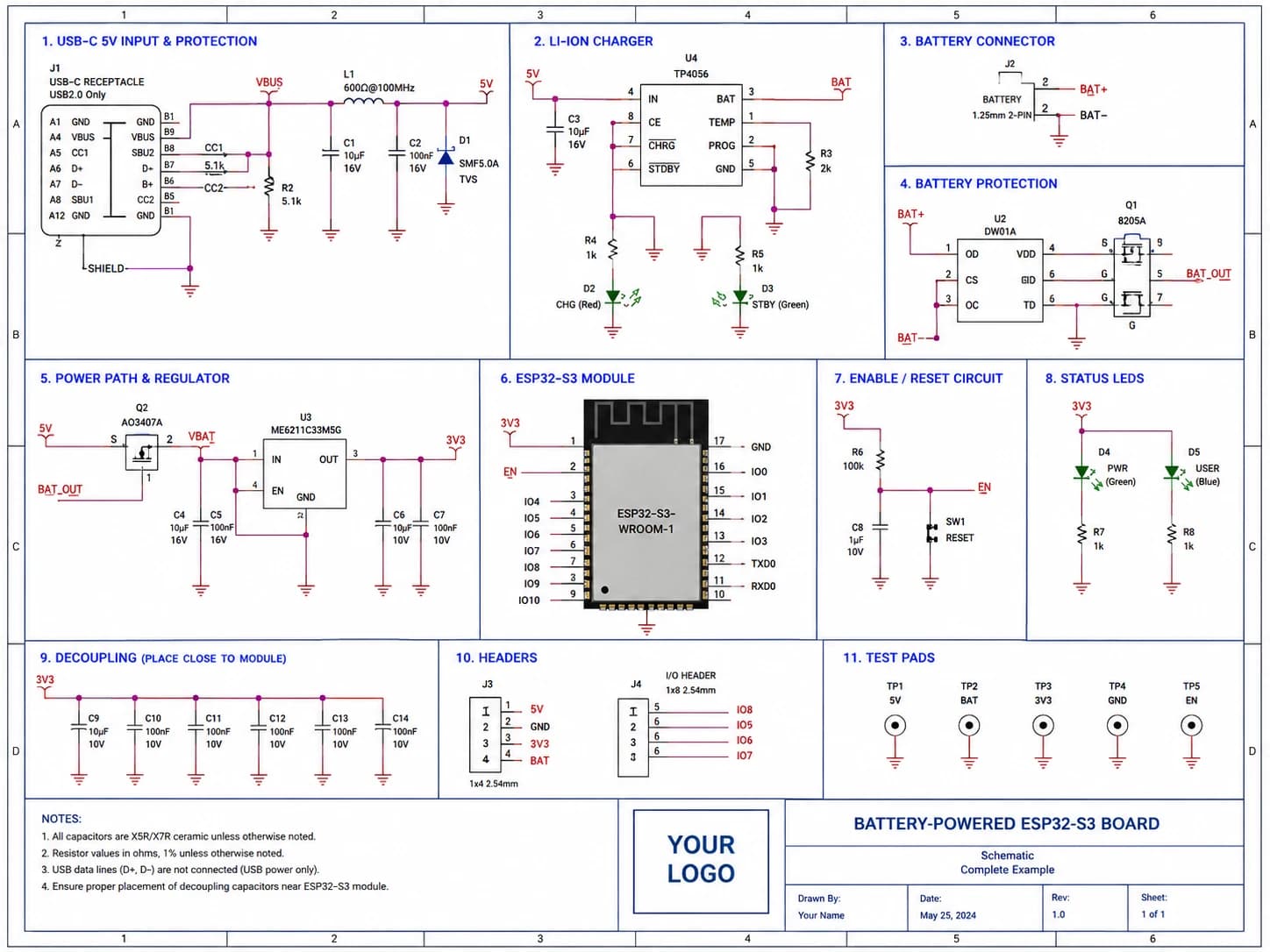
An ESP32 TouchDown case study for reviewing an open-source schematic before reuse, covering power, reset, boot, USB, connectors, and tests.
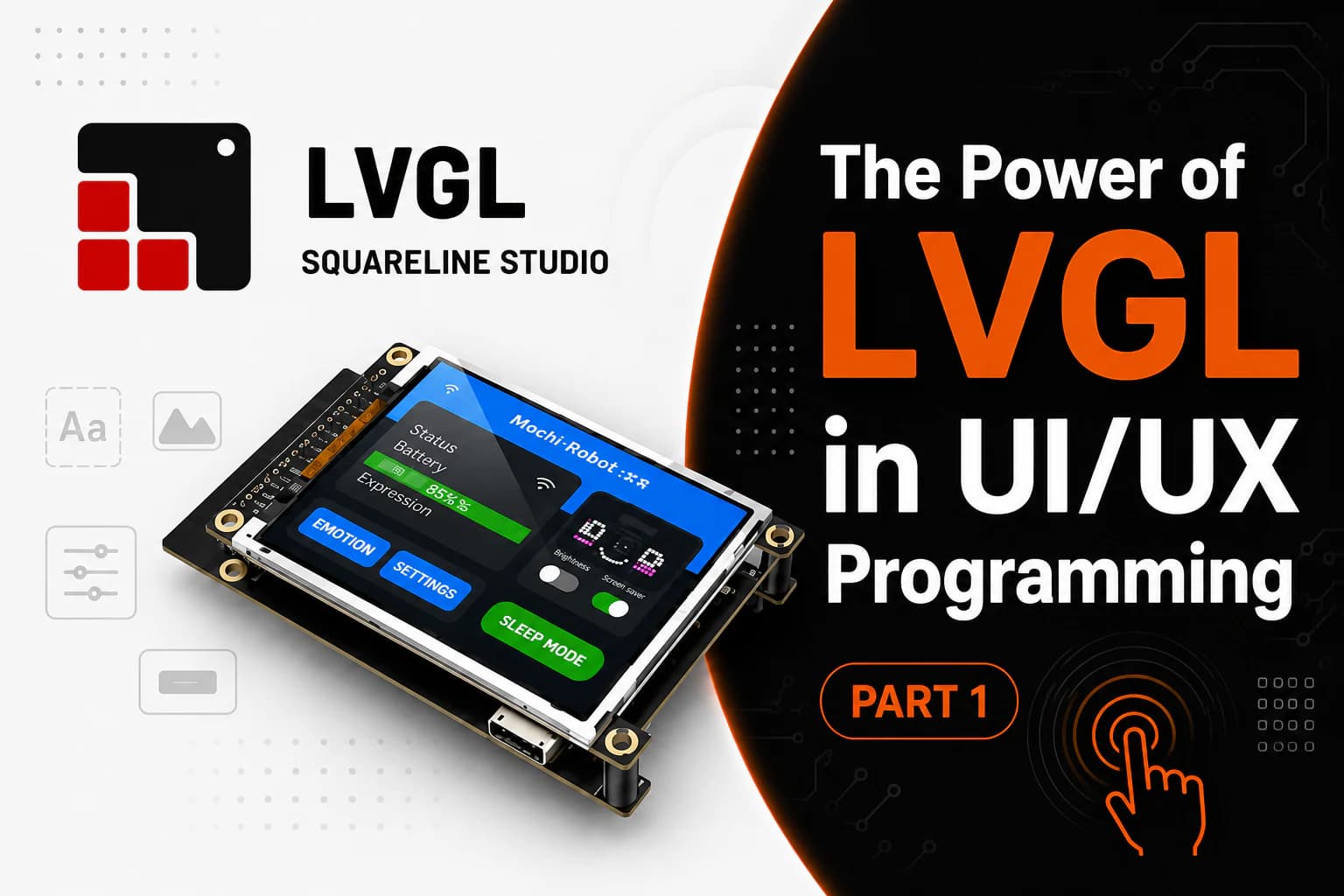
How LVGL helps build emotional interfaces for Mochi Robot, including expressions, menus, battery status, and UI on small embedded displays.
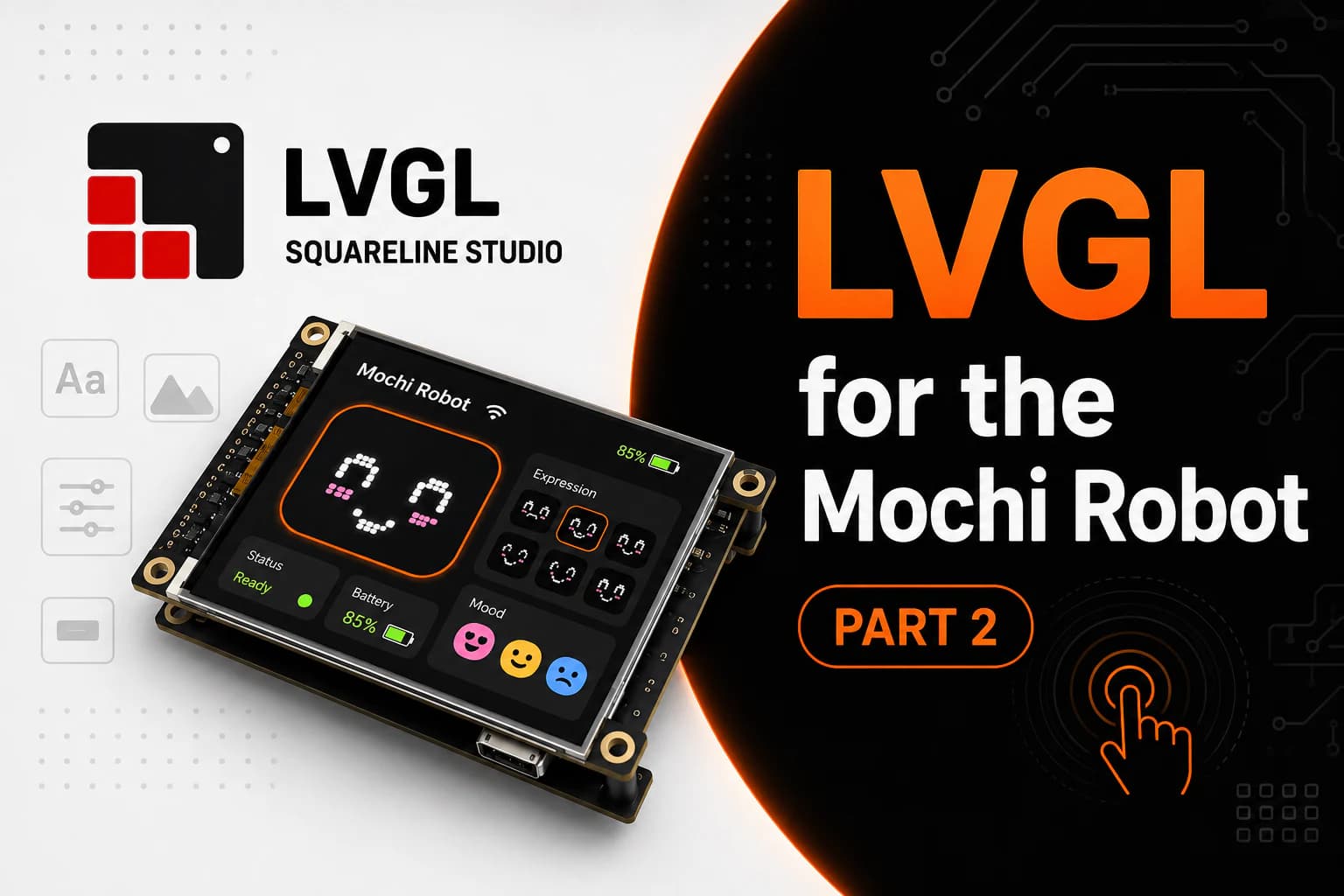
Part 2 of the Mochi LVGL series, covering faces, expressions, battery status, connectivity, screens, components, and UI states.
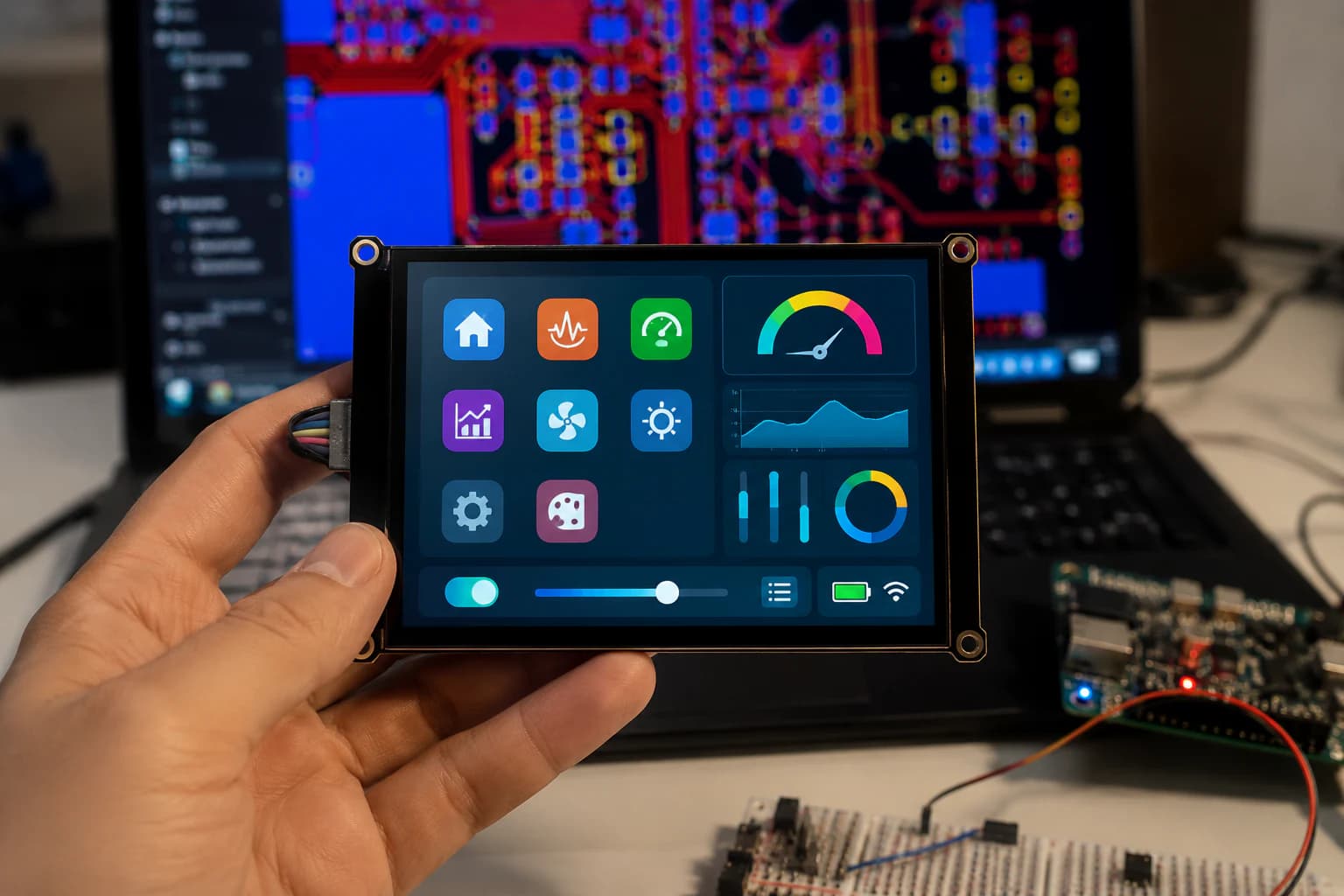
What embedded UI means for small devices, why small screens have small budgets, and why it deserves attention as its own discipline.
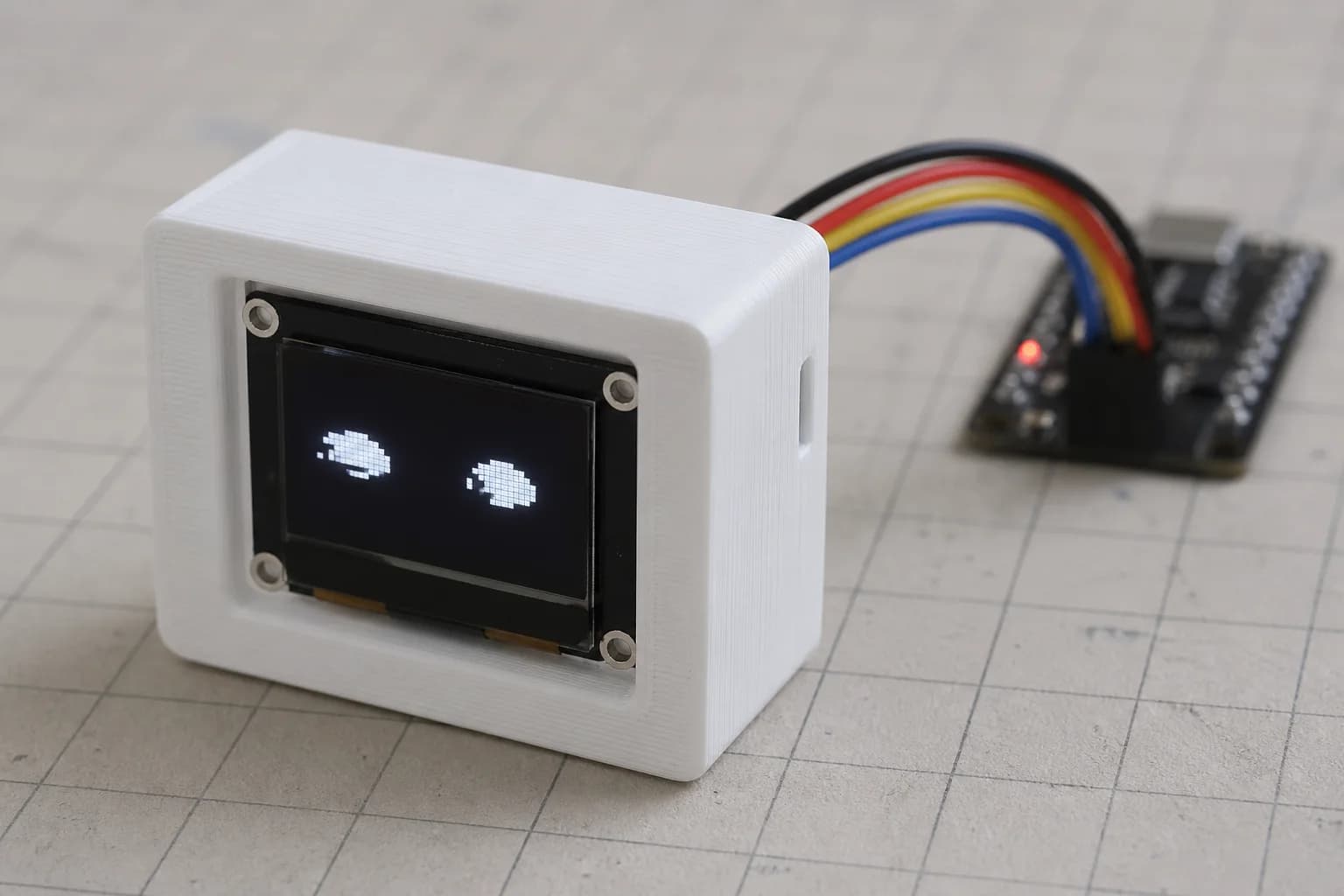
Early principles for firmware on a small embedded product: scope, module boundaries, logging, and handling errors without guessing.
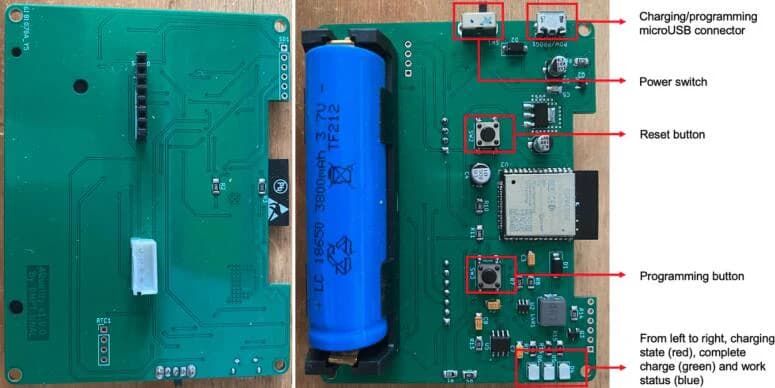
Initial principles for designing hardware for a small product: scope, power, PCB layout, firmware, and debugging.
Nastrotek uses cookies for analytics and ad personalization to help us understand how the site is used. You can accept or decline non-essential cookies. Privacy Policy